

5 most common home survey problems and what to do next
Posted on: Friday, January 9, 2026
If you’re buying a house, commissioning a home survey is one of the most important steps you can take. Yet many buyers still skip it, assuming it’s an unnecessary cost. In reality, failing to get a property survey can lead to expensive surprises with unexpected repair bills which can be costly.
According to research by the Royal Institution of Chartered Surveyors (RICS), almost ¼ of buyers were able to successfully negotiate a lower purchase price following their home survey report. So, before you commit to the home, and the cost, a professional survey is the best way to help you understand the true condition of a property.
What is a Chartered Surveyor?
A Chartered Surveyor is a qualified, independent property expert who assesses the condition of the property you are thinking of buying. Whether you choose a Condition Report, a Home Buyer’s Survey, or a full Building Survey, it is their job to protect your interests by identifying any issues that could affect the property’s value, safety, or future maintenance costs.
The most common home survey problems
Whether you’re considering a classic country house or modern city home, areas of concern are not an uncommon finding of the surveys – regardless of the property type. You will be best positioned if you’re prepared and able to deal with any issues ahead of time. Be aware of these five common home survey problems you are likely to come across, and how to deal with them:
1. Damp issues
Damp typically falls into three categories, and several factors can cause this:
Penetrating damp: occurs when water gets into the home – caused by leaky roofs, cracked render, and damaged guttering
Rising damp: often the result of a missing damp proof course
Condensation: often due to poor ventilation
What to do next:
If left untreated, damp can lead to timber decay, including wet and dry rot, so be sure to act well in advance to prevent this and save on repair costs. Once the root cause is determined, remediation is usually straightforward. However, a specialist damp survey may be required to investigate fully, especially if you are buying an older property.
2. Roof problems
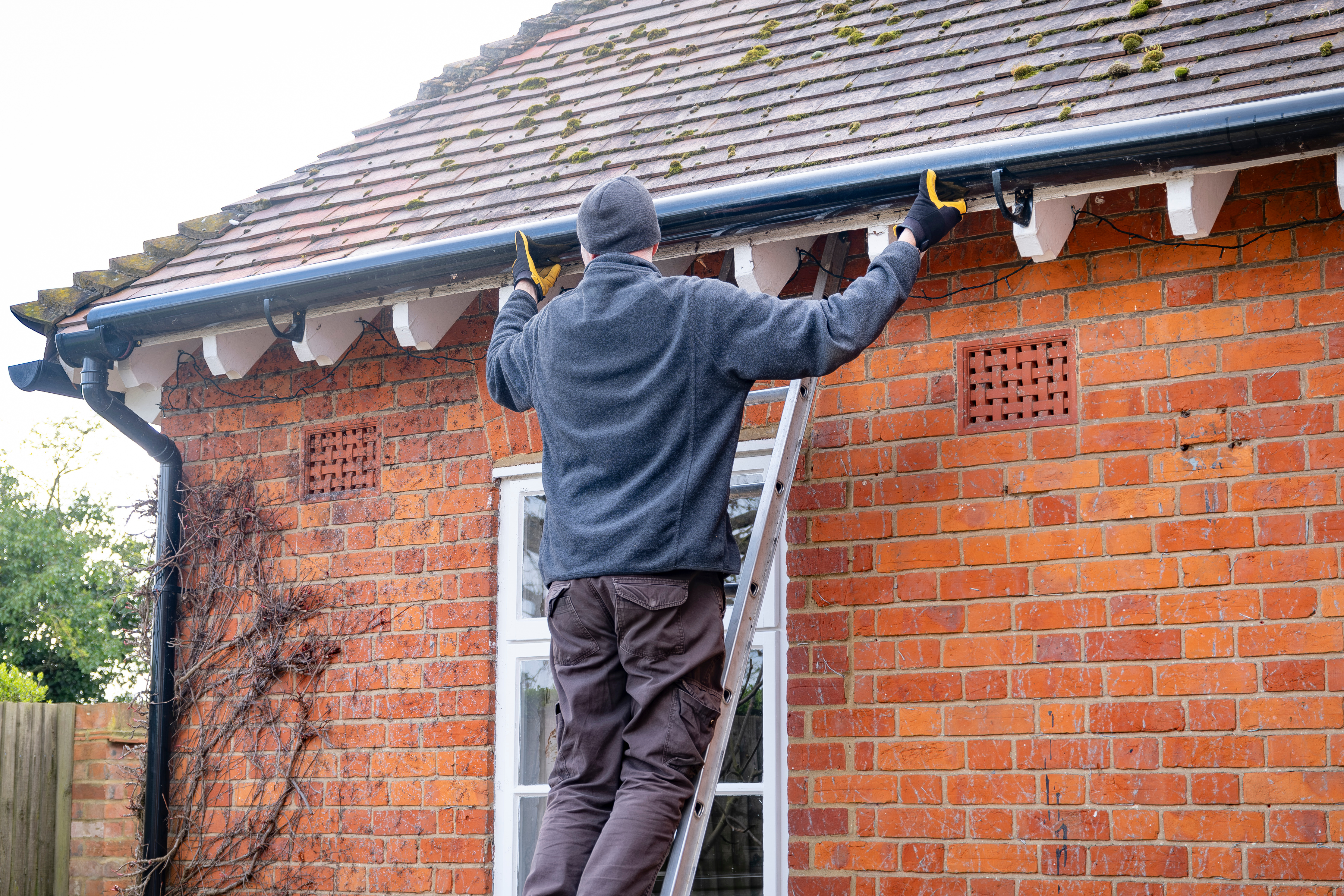
Roof defects can range from minor maintenance issues to significant structural concerns such as:
Broken or missing tiles
Blocked or leaking gutters
Poor loft insulation or inadequate ventilation
Unstable roof structure
Your survey should include a visual inspection of the loft, roof, chimneys, and high-level surfaces. Flat roofs are a particular concern as they tend to have a shorter lifespan than pitched roofs.
What to do next:
Minor repair issues can be carried out by a qualified handyman. More serious defects should be inspected by a roofing contractor for an expert opinion on the work that needs doing and how much it is likely to cost. If your survey indicates significant wear and tear or damage to an area of flat roof, replacement is often the best solution. This should be done by a roofing specialist and should come with a warranty to protect against future issues.
3. Gas and electrics
A Chartered Surveyor is not legally qualified to test any of the utilities in the property. As a result, survey reports assess services based on visual inspection only and often recommend further investigations into the condition of electrical installations and gas appliances including the central heating boiler.
Electrical issues reported in a specialist property survey can range from relatively small repair jobs to potentially having to rewire the entire property, with cost levels varying accordingly.
What to do next:
In addition to any survey, you should ensure that the vendor supplies you with a recent electric test certificate (last 10 years) and a recent boiler test certificate (last 12 months) by a Gas Safe registered engineer.
4. Japanese knotweed

If you’re anything like most homebuyers, you will have never heard of Japanese knotweed before. However, similar to subsidence, properties with knotweed in the garden (or a neighbouring property) can be blighted. It is a fast-growing, pervasive plant that is resilient to conventional methods of control and can be extremely difficult to remove. Crucially, knotweed invades buildings and structures, exploiting cracks and weaknesses. It is strong enough to push up through tarmac and concrete, can interfere with drainage pipes, lifting pipework, and clogging sumps. The species was first introduced to the UK in the 1800s as an ornamental garden plant and is, therefore, most likely to be found in the vicinity of period properties.
What to do next:
If knotweed is declared, or identified in the survey, it is usually necessary to eradicate the plant by implementing a Japanese knotweed management plan. It is illegal to knowingly let it spread into the wild so do make sure this is high on your to-do list. Mortgage lenders will typically require a management scheme with an insurance-backed guarantee to enable them to lend. Needless to say, these can be expensive.
5. Structural movement
The mere mention of the word ‘subsidence’ can alarm homeowners and buyers alike. Structural movement typically manifests as cracks in walls, particularly around doors and windows, though it should be pointed out that many cracks are perfectly innocent and do not present any structural problems whatsoever. However, some movement may be linked to:
Tree root damage
Leaking underground drains
Clay soil shrinkage
What to do next:
If structural movement is highlighted in the survey report, an expert investigation will be urgently required to see how seriously the building is affected. Remedial action may include underpinning the building’s foundations - an invasive and expensive undertaking. Be aware that properties with a history of subsidence can be harder to mortgage and insure.
The importance of a home survey
Ultimately, a home survey provides clarity, reduces risk, and can save you thousands of pounds in expected costs later down the line. Whether you’re a first-time buyer or adding to your property portfolio, a home survey is crucial if you want to put yourself in the strongest buying position possible.
Contact us today
Are you looking to move home? Get a free instant online valuation.

The Guild is a UK-wide network of hand-selected independent estate agents across the UK. Whether you are buying, selling, letting or renting, explore where our Members are.
What Our
Clients Say

How Much is Your Property Worth?
A senior member of our sales team will visit your property to discuss current market trends and how your home; based on size, condition and location should be pitched to achieve the best possible price and buyer. Coupled with an excellent understanding of the local market we do a detailed analysis of what else has sold and what is coming onto the market so we can give you the best chance to capitalise on your biggest asset.
Book a Valuation